
Steam vs. Baking Soda DIY Cleaning
Posted on
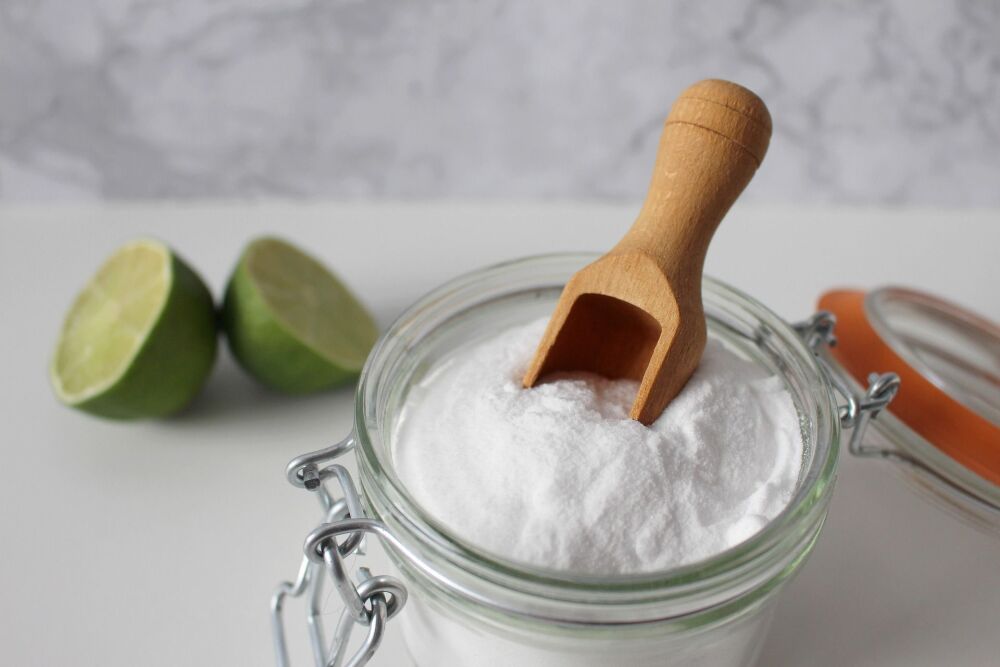
When it comes to tackling grime, grease and stubborn stains, plenty of businesses look for affordable ways to keep their premises clean. The debate around steam vs baking soda has been around for years, with both methods promising impressive results without filling the cupboard with harsh chemicals. While each approach has its strengths, choosing the right one can save time, reduce cleaning costs and help create a healthier workplace. After all, nobody wants yesterday's coffee spill greeting clients before they do.
Key Takeaways
- Steam cleaning uses heat to loosen dirt and sanitise many surfaces with little more than water.
- Baking soda is excellent for absorbing odours, lifting light stains and tackling small cleaning jobs.
- Understanding steam vs baking soda helps businesses choose the right method for each task.
- Steam cleaning is often the better choice for large areas, commercial environments and deep cleaning.
- Combining both methods in the right situations can produce even better cleaning results.
What Is Steam Cleaning?
Steam cleaning uses heated water to produce vapour that lifts dirt, grease and bacteria from surfaces. Instead of relying on strong detergents, the heat does much of the hard work. The steam reaches into tiny cracks, textured surfaces and awkward corners that cloths often miss. That makes it particularly useful in commercial environments where cleanliness is more than just appearance. It is part of maintaining hygiene standards that staff and customers expect.
Modern commercial steam cleaners produce high temperatures that loosen stubborn grime quickly while using very little water. Surfaces dry faster, meaning less disruption during the working day. Nobody enjoys tiptoeing around wet floors while pretending it is completely normal.
What Makes Baking Soda So Popular?
Baking soda has earned its place in homes and workplaces because it is inexpensive, widely available and surprisingly versatile. It works as a mild abrasive, helping remove surface marks without scratching many materials. It also neutralises unpleasant smells rather than simply masking them.
Many businesses use baking soda for freshening bins, cleaning kitchen surfaces, deodorising carpets or removing light stains. It is simple, familiar and often sitting quietly in the cupboard waiting for its next assignment.
While useful, baking soda has limits. It struggles against heavy grease, ingrained dirt and areas requiring proper sanitisation. It is more of a helpful assistant than the entire cleaning team.
Is Steam Cleaning Better for Commercial Premises?
For many businesses, yes. Looking at steam vs baking soda in commercial settings highlights a clear difference in capability. Offices, hotels, healthcare facilities, schools, restaurants and retail spaces deal with constant foot traffic and higher hygiene expectations than most homes.
Steam cleaning tackles larger areas efficiently while reducing dependence on chemical products. It can refresh upholstery, clean tiled floors, sanitise washrooms and remove dirt from grout without creating clouds of chemical odours. Staff can often return to cleaned areas sooner because there is far less moisture left behind compared with traditional mopping.
Where Does Baking Soda Work Best?
Baking soda shines during smaller cleaning tasks that do not require specialist equipment. It is particularly effective for absorbing odours in refrigerators, waste bins, fabric furnishings and carpets. It can also help remove tea and coffee stains from mugs and brighten stainless steel when used carefully.
For businesses managing small kitchens or staff break rooms, baking soda remains a useful addition to the cleaning cupboard. It handles quick jobs well and offers an affordable solution for routine maintenance.
The trick is recognising where it stops being enough. Scrubbing endlessly with baking soda on a heavily soiled floor rarely ends with applause.
Which Method Cleans More Deeply?
When comparing steam vs baking soda, steam cleaning reaches much deeper beneath the surface. Heat penetrates pores, textured materials and grout lines where dirt becomes trapped over time. Steam also loosens grease and dried residue without requiring aggressive scrubbing.
Baking soda mainly works on the surface. While it can lift stains and remove smells, it cannot penetrate materials in the same way. For businesses needing deep cleaning schedules or infection control, steam provides a much stronger solution.
Can Steam Cleaning Reduce Chemical Use?
One of the biggest advantages of steam cleaning is its ability to clean effectively using little more than water. Many commercial environments are looking for ways to reduce chemical use while still maintaining excellent hygiene standards.
This makes steam cleaning attractive for organisations aiming to support environmental goals without sacrificing cleanliness. Less chemical residue also creates a more pleasant environment for staff and visitors. Nobody has ever complimented the nostalgic scent of industrial bleach hanging in the meeting room.
Is Baking Soda Really Eco Friendly?
Baking soda is naturally occurring and biodegradable, making it an environmentally friendly cleaning option for many everyday jobs. It breaks down safely and poses minimal risk when used correctly.
That said, eco friendly does not automatically mean suitable for every cleaning challenge. Large commercial premises often require equipment capable of delivering consistent, measurable cleaning performance. Baking soda works well in support of regular maintenance but struggles when faced with heavy contamination or demanding hygiene standards.
Which Surfaces Benefit Most from Steam Cleaning?
Steam cleaning works well across many commercial surfaces, including ceramic tiles, sealed stone, grout, stainless steel, sealed hardwood flooring, vinyl flooring, upholstery and many types of commercial carpet when appropriate equipment is used.
Because steam lifts dirt without soaking materials, it can refresh furniture and flooring while helping extend their appearance. Businesses investing heavily in interior finishes often appreciate cleaning methods that avoid unnecessary wear.
Always check manufacturer guidance before using steam on delicate materials or surfaces with special coatings.
Can Baking Soda Damage Surfaces?
Although baking soda is gentle compared with many abrasive cleaners, it can still scratch certain polished or delicate finishes if used aggressively. Glass, aluminium and some natural stone surfaces may not respond well to repeated scrubbing with baking soda paste.
Testing on a small hidden area first remains sensible practice. It is far easier than explaining why the shiny reception desk suddenly has the personality of coarse sandpaper.
Which Option Saves More Time?
Time matters in business. Cleaning methods that reduce downtime often provide better value than those requiring repeated effort.
Looking again at steam vs baking soda, steam cleaning usually completes larger jobs much faster. The combination of heat and pressure loosens dirt quickly, reducing the need for prolonged scrubbing. Floors, washrooms, kitchens and shared workspaces can often be cleaned in fewer passes.
Baking soda requires mixing, applying, waiting in some cases and then scrubbing before rinsing away residue. For occasional small jobs this is perfectly acceptable. Across an entire commercial building, it soon becomes less practical.
Does Steam Cleaning Improve Workplace Hygiene?
Clean premises influence far more than appearances. Staff wellbeing, customer confidence and regulatory compliance all benefit from higher hygiene standards.
Steam cleaning removes dirt while helping sanitise surfaces through high temperatures. Areas such as washrooms, kitchens, door handles, seating and communal spaces can all benefit from regular steam cleaning programmes.
For businesses welcoming customers every day, first impressions often begin long before anyone says hello. A spotless environment quietly tells visitors the organisation pays attention to detail.
Is There Room for Both Methods?
The debate around steam vs baking soda does not always require choosing one over the other. Many businesses achieve excellent results by using both where each performs best.
Steam cleaning handles deep cleaning, sanitising and larger maintenance programmes. Baking soda supports smaller tasks like deodorising bins, refreshing soft furnishings and lifting light marks. Working together, they create a practical cleaning routine that balances cost, convenience and performance.
A toolbox with only one spanner can still fix things, but having the right tool for each job usually makes life much easier.
Which Method Costs Less Over Time?
At first glance, baking soda appears to be the cheaper option because a box costs very little and is available almost everywhere. That is true for occasional cleaning jobs, but businesses should think beyond the price on the shelf. Labour, cleaning frequency and downtime all contribute to the real cost of keeping premises clean. Looking at steam vs baking soda from a long term perspective, steam cleaning often delivers better value because it reduces the time spent scrubbing and cuts the need for multiple cleaning products. Investing in commercial steam equipment can lead to lower ongoing costs while producing more consistent results across larger spaces.
Does Steam Cleaning Help Businesses Meet Hygiene Standards?
Many industries have strict expectations around cleanliness, especially hospitality, healthcare, education and food preparation. Steam cleaning supports these environments by removing dirt, grease and many bacteria without relying heavily on chemical solutions. High temperature steam reaches into corners and textured surfaces where traditional cleaning methods may struggle. While cleaning procedures should always match industry guidance, steam cleaning has become a trusted part of many professional maintenance programmes because it helps deliver reliable results day after day.
Can Baking Soda Replace Professional Cleaning?
Baking soda is useful, but expecting it to replace professional cleaning is rather like asking a paper towel to deal with a flooded warehouse. It works well for freshening surfaces, removing minor stains and tackling everyday odours, yet it lacks the power needed for deep commercial cleaning. Businesses dealing with heavy foot traffic, grease build up or strict hygiene requirements usually need equipment designed for larger and more demanding tasks. That is where steam cleaning earns its reputation.
Which Industries Benefit Most from Steam Cleaning?
Almost every commercial sector can benefit from steam cleaning, although some rely on it more than others. Hotels use it to refresh rooms and upholstery. Restaurants appreciate its ability to tackle grease in kitchens. Offices enjoy cleaner shared spaces without strong chemical smells lingering in meeting rooms. Schools and childcare settings value cleaning methods that reduce chemical exposure while supporting hygiene. Healthcare environments also rely on high standards of cleanliness where steam can play an important role alongside established cleaning procedures.
Businesses operating in manufacturing, retail and leisure facilities also find steam cleaning useful for maintaining equipment, floors and customer areas. Clean surroundings create confidence, whether someone is visiting for five minutes or working there every day.
Is Steam Cleaning Better for Floors?
Floors often receive the toughest treatment in any workplace. Mud, spills, dust and constant foot traffic quickly leave their mark. Comparing steam vs baking soda on flooring makes the difference fairly obvious. Steam cleaning removes dirt from grout lines, textured surfaces and sealed hard floors with far less physical effort. It also leaves minimal moisture behind, reducing drying times and helping businesses keep areas open for use.
Baking soda can help remove isolated marks or freshen small carpeted areas, but cleaning an entire office floor with it would test even the most patient cleaner. There are better ways to spend an afternoon.
What About Upholstery and Soft Furnishings?
Reception seating, office chairs and fabric partitions collect dust, stains and odours over time. Steam cleaning refreshes many upholstery fabrics by lifting dirt while using relatively little moisture. This helps reduce drying times and keeps furniture looking presentable without lengthy disruption.
Baking soda remains useful for deodorising carpets and soft furnishings. Sprinkling it onto fabric before vacuuming can help remove lingering smells, particularly in staff areas where lunches have occasionally become more memorable than intended.
How Does Each Method Handle Grease?
Grease is one of the biggest cleaning challenges in commercial settings, particularly kitchens and food preparation areas. Steam performs exceptionally well because heat softens grease, allowing it to be lifted away more easily. This reduces the need for repeated scrubbing and harsh degreasers.
Baking soda can help when mixed into a paste, especially on small greasy patches, but it struggles against thick build up. For businesses cleaning extractor surrounds, tiled walls or cooking equipment, steam offers a far more practical solution.
Does Steam Cleaning Support Sustainability Goals?
Many organisations are looking for practical ways to reduce waste and lower their environmental impact. Steam cleaning supports these efforts by relying primarily on water instead of a cupboard full of chemical cleaners. Fewer disposable cleaning products, reduced packaging waste and lower chemical consumption all contribute to a more sustainable approach.
When considering steam vs baking soda from an environmental perspective, both have positive qualities. Baking soda is biodegradable and naturally occurring, while steam reduces dependence on manufactured cleaning chemicals. Choosing the right method depends on the task rather than assuming one solution fits every situation.
When Should Businesses Choose Baking Soda Instead?
There are still plenty of occasions where baking soda deserves a place in the cleaning routine. It works well for freshening bins, removing mild smells from carpets, cleaning staff kitchen appliances and lifting light stains from hard surfaces. It is affordable, easy to store and requires no specialist equipment.
For quick maintenance between scheduled deep cleans, baking soda remains a sensible option. Think of it as the dependable colleague who happily deals with everyday jobs while someone else tackles the heavy lifting.
What Should Businesses Consider Before Choosing?
Every workplace has different cleaning demands. A small office has different priorities from a busy restaurant or medical practice. Before deciding between steam vs baking soda, consider the size of the premises, the type of surfaces, hygiene expectations, cleaning frequency and available staff time.
Businesses that require regular deep cleaning, faster turnaround times and reduced chemical use will often find steam cleaning the stronger investment. Those looking for a simple solution for occasional light cleaning can still gain value from keeping baking soda on hand.
The most successful cleaning routines rarely depend on one product alone. They combine suitable methods with consistent maintenance and equipment designed for the environment being cleaned. That approach keeps workplaces looking professional, creates a better experience for staff and visitors, and avoids turning every cleaning session into an endurance event. After all, the aim is a cleaner workplace, not an audition for a historical drama about Victorian housekeepers armed with endless scrubbing brushes.
Add a comment: