
Sustainable Steam Cleaning in Janitorial Services
Posted on
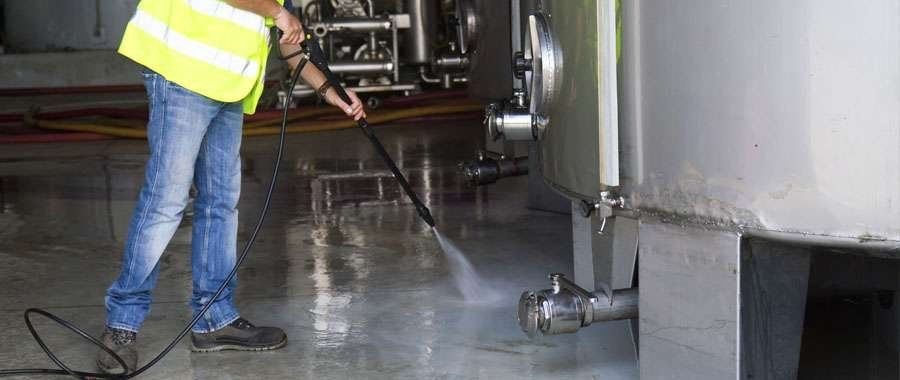
Sustainable Steam Cleaning in Janitorial Services is slowly becoming the kind of topic that makes facilities managers nod knowingly while sipping lukewarm office tea. It sits at the intersection of hygiene, cost control, and environmental responsibility, and it is no longer just a nice idea for brochures. Buildings are getting busier, expectations are getting stricter, and nobody has time for cleaning methods that feel like they belong in another decade. Sustainable Steam Cleaning in Janitorial Services is showing up as a practical answer to that pressure, using heat and minimal chemicals to get things properly clean without turning every surface into a chemistry experiment.
Check out our range of steam cleaners!
Key Takeaways
-
Steam cleaning reduces reliance on harsh chemicals while still delivering high hygiene standards
-
It uses significantly less water compared to traditional cleaning methods
-
It supports safer working environments for staff and building users
-
It is suitable for a wide range of commercial and public settings
-
Proper training and equipment choice make all the difference in results
What is Sustainable Steam Cleaning in Janitorial Services?
Sustainable Steam Cleaning in Janitorial Services refers to using high-temperature steam to clean and sanitise surfaces in commercial environments without heavy dependence on chemical agents. The process is simple in theory: heat water, produce steam, apply it to surfaces, and lift dirt, grease, and bacteria in one go. Sustainable Steam Cleaning in Janitorial Services works because heat does most of the heavy lifting, leaving less residue behind and fewer bottles of mystery liquid in storage cupboards that nobody wants to label.
Why businesses are shifting to steam-based cleaning?
More organisations are switching to Sustainable Steam Cleaning in Janitorial Services because it solves several headaches at once. It reduces chemical storage, lowers exposure risks for staff, and cuts down on environmental impact without turning cleaning schedules upside down. Traditional methods still work, but they often come with side effects like strong odours or leftover residues. Steam just quietly gets on with it, like the colleague who never talks in meetings but somehow fixes everything afterwards.
How does steam cleaning actually work in commercial spaces?
Sustainable Steam Cleaning in Janitorial Services works by heating water to produce vapour that penetrates dirt and grime at a microscopic level. The heat breaks down grease and kills many common bacteria, while the moisture lifts debris from surfaces. In offices, kitchens, healthcare environments, and transport hubs, this means fewer scrubbing cycles and less chemical rinse work. Sustainable Steam Cleaning in Janitorial Services also reaches awkward corners where traditional mops tend to give up and pretend they did their best.
Environmental benefits of steam cleaning methods
One of the main advantages of Sustainable Steam Cleaning in Janitorial Services is its reduced environmental footprint. Less chemical runoff means fewer pollutants entering water systems, and lower product consumption reduces packaging waste. Steam cleaning also tends to require fewer repeat passes, which lowers energy and resource use overall. Sustainable Steam Cleaning in Janitorial Services fits neatly into sustainability goals without needing dramatic operational changes or expensive reinvention of entire cleaning schedules.
Water usage and conservation in modern janitorial work
Sustainable Steam Cleaning in Janitorial Services uses a fraction of the water required by traditional cleaning systems. Instead of buckets and constant rinsing, it relies on controlled bursts of steam. Over time, this difference adds up significantly, especially in large facilities like hospitals or shopping centres. Sustainable Steam Cleaning in Janitorial Services shows that efficiency does not always mean doing more, sometimes it just means using less water and stopping before things turn into a small indoor flood.
Chemical reduction and workplace safety improvements
Sustainable Steam Cleaning in Janitorial Services reduces the need for strong chemical agents, which immediately improves air quality in enclosed spaces. Staff are less exposed to irritants, and surfaces are left cleaner without chemical residue. This matters in places like schools, healthcare settings, and offices where people spend long hours indoors. Sustainable Steam Cleaning in Janitorial Services also reduces the risk of incorrect chemical mixing, which is a surprisingly common problem when instructions are ignored in favour of guesswork.
Where steam cleaning is most effective in commercial buildings
Sustainable Steam Cleaning in Janitorial Services is particularly effective in kitchens, bathrooms, public transport interiors, healthcare facilities, and high-touch office areas. These are spaces where hygiene demands are high and downtime is limited. Steam reaches into grout lines, fabric surfaces, and tight corners where traditional methods struggle. Sustainable Steam Cleaning in Janitorial Services tends to shine in environments where appearance and hygiene both matter equally, which is most commercial spaces, if we are honest.
What equipment is used in professional steam cleaning systems
Sustainable Steam Cleaning in Janitorial Services relies on specialised machines designed to produce consistent high-pressure steam. These systems range from portable units for smaller jobs to industrial machines used in large facilities. Attachments vary, allowing operators to target floors, upholstery, glass, and hard surfaces. Sustainable Steam Cleaning in Janitorial Services depends heavily on the right setup, because using underpowered equipment is a bit like trying to iron a shirt with a kettle.
Check out our range of steam cleaners!
Training requirements for janitorial staff using steam systems
Sustainable Steam Cleaning in Janitorial Services requires staff to understand both the equipment and the surfaces they are working on. Training usually covers temperature control, safe handling, and correct application techniques. Without proper instruction, steam cleaning can be ineffective or overly aggressive on delicate materials. Sustainable Steam Cleaning in Janitorial Services works best when operators know when to apply heat and when to step back and reconsider their life choices for a moment.
Cost considerations for businesses adopting steam cleaning
Sustainable Steam Cleaning in Janitorial Services often involves an upfront investment in equipment, but ongoing costs tend to be lower. Reduced chemical purchasing, lower water usage, and improved efficiency can balance out initial expenditure over time. Maintenance schedules also become simpler in many cases. Sustainable Steam Cleaning in Janitorial Services tends to appeal to finance teams once they realise fewer recurring supply orders means fewer surprise invoices hiding in inboxes.
Steam cleaning in high traffic environments
Sustainable Steam Cleaning in Janitorial Services performs well in areas with constant footfall such as offices, retail spaces, and transport hubs. These environments demand quick turnaround cleaning without long drying times or strong chemical smells lingering around. Steam allows surfaces to be cleaned and returned to use relatively quickly. Sustainable Steam Cleaning in Janitorial Services helps keep things moving without turning corridors into temporary no-go zones.
Hygiene standards and compliance in regulated industries
Sustainable Steam Cleaning in Janitorial Services supports compliance in sectors where hygiene standards are tightly monitored. Hospitals, care homes, and food preparation areas benefit from its ability to reduce microbial presence without chemical overload. Documentation and consistent procedures remain important, but steam cleaning adds a reliable layer of control. Sustainable Steam Cleaning in Janitorial Services fits into regulated environments where “clean enough” is not really a phrase anyone wants to use.
Common mistakes when implementing steam cleaning programmes
Rolling out steam cleaning without proper planning often leads to predictable issues. Some organisations underestimate training needs, while others use the wrong attachments for specific surfaces. Equipment maintenance can also be overlooked. Another common mistake is expecting instant miracles without adjusting cleaning schedules. Even Sustainable Steam Cleaning in Janitorial Services cannot fix years of neglect in a single afternoon, no matter how confident the machine sounds when it powers up.
Future trends in steam cleaning technology
Sustainable Steam Cleaning in Janitorial Services is likely to evolve with smarter controls, improved energy efficiency, and more compact equipment designs. Automation may also play a larger role in large facilities, with systems that regulate steam output based on surface type. Sustainable Steam Cleaning in Janitorial Services is moving towards quieter, more precise systems that integrate easily into broader facility management processes without requiring constant manual adjustment.
Choosing the right provider for steam cleaning services
Sustainable Steam Cleaning in Janitorial Services depends heavily on provider expertise. Experience with different building types, equipment knowledge, and training quality all influence outcomes. A good provider will assess the site properly rather than offering a one-size-fits-all approach. Sustainable Steam Cleaning in Janitorial Services works best when delivered by teams who understand that cleaning is not just about appearance but about maintaining consistent standards across busy environments.
Add a comment: