
The Science Behind Steam Cleaning's Penetration Power
Posted on
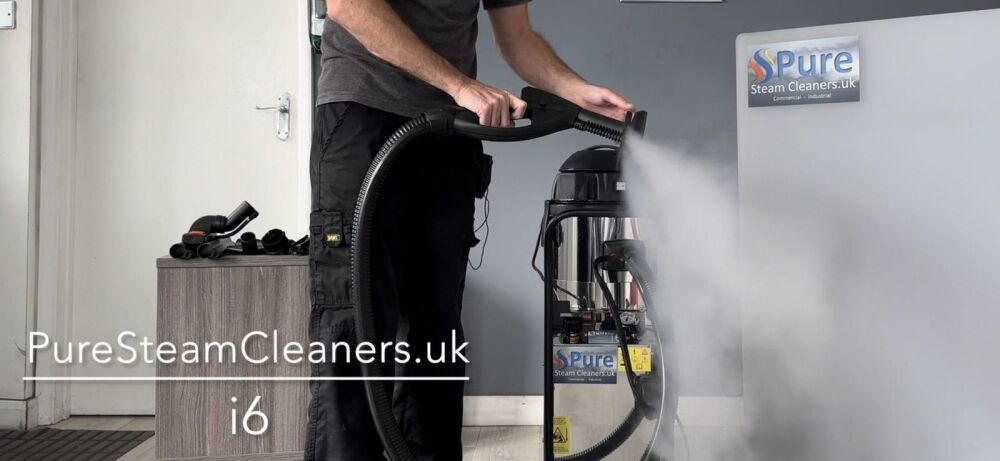
Steam has a funny reputation. Most people picture a kettle screaming in the corner of the office kitchen while someone burns their hand making tea. Yet in commercial cleaning, steam behaves less like a moody kettle and more like a precision tool with a PhD in dirt removal. That is where steam cleaning's penetration power changes the game. It reaches deep into surfaces, loosens grime, tackles bacteria, and cuts through build-up without drowning everything in chemicals. Quite impressive for heated water, really.
Business owners are under pressure to keep workplaces hygienic, safe, and presentable. Customers notice cleanliness immediately. Staff notice it too, especially when the microwave looks like it survived a small explosion. Steam cleaning offers a smarter approach because it relies on heat, pressure, and molecular movement rather than aggressive scrubbing alone.
Check out our range of steam cleaners!
Key Takeaways
-
Steam cleaning's penetration power allows heat and moisture to reach deep into pores, cracks, and fibres.
-
High-temperature steam breaks down grease, bacteria, and grime with surprisingly little water.
-
Commercial environments benefit from faster drying times and reduced chemical use.
-
Steam can clean delicate and industrial surfaces when used correctly.
-
The science behind steam cleaning is simple physics doing a very demanding job.
What Makes Steam Cleaning Different?
Traditional cleaning often pushes dirt around before eventually removing it. Steam cleaning works differently because it attacks contamination at its source. The heat weakens bonds holding grease, oils, and bacteria to surfaces. Pressure then lifts the debris away. Think of it like loosening a stubborn jar lid under hot water. Heat changes things. Materials expand, grime softens, and suddenly the impossible becomes manageable. Steam cleaning's penetration power comes from the combination of temperature and microscopic steam particles. These particles can enter spaces that cloths and brushes simply cannot reach. A mop may glide over a surface looking productive, but steam gets into the tiny imperfections hiding the real mess.
How Does Steam Actually Penetrate Surfaces?
Steam molecules move rapidly because of their heat energy. When steam hits a cooler surface, it condenses slightly and releases thermal energy directly into the material. That heat transfer matters because many surfaces contain microscopic pores and crevices. Dirt settles there happily for months, paying no rent whatsoever. Steam enters those gaps and loosens trapped particles from within. Steam cleaning's penetration power is particularly effective because the vapour is lightweight and mobile. Unlike buckets of water, steam can travel into tight corners without soaking everything.
In practical terms, this means:
-
Deep cleaning without flooding surfaces
-
Better access to awkward spaces
-
Faster drying times
-
Reduced mould risk
-
Less residue left behind
Why Does Heat Matter So Much?
Heat is the star of the show. Pressure helps, but temperature does the heavy lifting. Most commercial steam cleaners operate at temperatures above 100°C. At this level, proteins inside bacteria begin to break down. Grease softens rapidly. Sticky residues lose their grip. Imagine trying to remove cold butter from a frying pan compared with melted butter. One requires effort. The other practically leaves on its own. Steam cleaning's penetration power works on a similar principle. High heat also increases molecular movement. This creates friction and disruption at a microscopic level, helping steam penetrate dirt layers more effectively.
Can Steam Kill Bacteria And Germs?
Yes, and this is where businesses pay close attention. High-temperature steam can destroy many bacteria, viruses, mould spores, and dust mites without relying heavily on chemicals. Heat damages cellular structures and disrupts microbial survival. For industries like hospitality, healthcare, food production, and manufacturing, steam cleaning's penetration power provides an extra layer of sanitation. It reaches areas that wipes often miss. That matters because germs enjoy hidden places. Door seals, grout lines, ventilation covers, upholstery seams, and machinery joints become tiny holiday resorts for microbes. Steam reaches those spaces with remarkable accuracy.
Why Does Steam Use So Little Water?
This surprises many people. Steam cleaning sounds wet, but it actually uses far less water than traditional methods. A standard mop and bucket spreads litres of water around a floor. Steam systems convert small amounts of water into vapour, creating a cleaning method that is both targeted and controlled. Steam cleaning's penetration power depends on vapour rather than saturation. Since steam particles are tiny, they can penetrate surfaces without leaving them drenched. That means businesses avoid long drying times and slippery floors. Nobody enjoys skating unintentionally through reception.
How Does Pressure Improve Cleaning Results?
Pressure accelerates the steam's movement and helps dislodge debris. Commercial steam systems often combine high heat with controlled pressure levels. This pushes steam deeper into textured surfaces and stubborn build-up. Picture blowing air through a straw versus breathing normally across a table. Focused pressure changes the impact entirely. Steam cleaning's penetration power becomes stronger when pressure drives steam into compact dirt layers. This is especially useful in industrial settings where grease and residue accumulate over time.
Which Surfaces Benefit Most From Steam Cleaning?
Steam cleaning works across an impressive range of materials when handled properly.
Common commercial applications include:
-
Tile and grout
-
Stainless steel
-
Industrial machinery
-
Upholstery
-
Carpets
-
Kitchens
-
Washrooms
-
Warehouse floors
-
Ventilation systems
Porous surfaces particularly benefit from steam cleaning's penetration power because steam can access hidden contaminants below the visible layer. Grout is a classic example. It looks innocent enough until you realise it absorbs dirt like a sponge wearing a disguise.
Check out our range of steam cleaners!
Why Is Steam Effective Against Grease?
Grease responds dramatically to heat. At lower temperatures, grease stays thick and sticky. Heat changes its viscosity, making it easier to remove. Steam also emulsifies oils, helping separate them from surfaces. This is why commercial kitchens often rely on steam systems. Steam cleaning's penetration power allows operators to tackle extractor fans, ovens, tiled walls, and cooking equipment more efficiently. Grease has a habit of spreading itself everywhere except the bin. Steam cuts through that layer without requiring endless scrubbing.
Does Steam Reach Microscopic Spaces?
Yes, and that is one of its biggest advantages. Many contaminants live inside tiny cracks invisible to the naked eye. Traditional cloth cleaning often misses these areas completely. Steam cleaning's penetration power allows vapour to flow into microscopic imperfections because steam particles are significantly smaller than water droplets. This matters in environments where hygiene standards are strict. Manufacturing plants, healthcare facilities, and food preparation areas cannot afford hidden contamination. The surface may appear spotless while bacteria throw a silent house party underneath.
Why Are Chemicals Used Less Often With Steam?
Steam relies heavily on thermal energy instead of chemical reactions. The heat itself performs much of the sanitising and loosening process. In many situations, businesses reduce or even eliminate harsh cleaning chemicals.
That creates several benefits:
-
Improved indoor air quality
-
Reduced chemical storage
-
Lower residue on surfaces
-
Better environmental performance
-
Safer working conditions
Steam cleaning's penetration power means less dependence on aggressive products to force dirt removal. Your office no longer needs to smell like a swimming pool mixed with industrial lemons.
How Does Steam Help In Industrial Environments?
Industrial settings create serious cleaning challenges. Machinery collects grease, oils, dust, and production residue over time. Steam offers a targeted method for breaking down contaminants without soaking sensitive equipment. Steam cleaning's penetration power helps operators clean hard-to-reach components while reducing downtime. This is especially valuable where equipment cannot tolerate excessive moisture. Factories also benefit from faster sanitation processes. Cleaning efficiency matters when production schedules are tight and every lost hour costs money. Machines rarely care about your deadlines either.
What Role Does Condensation Play?
Condensation sounds dull until you realise it is part of the cleaning process. When steam contacts a cooler surface, it condenses into tiny amounts of water. During this phase change, heat transfers rapidly into the material. This energy release weakens dirt adhesion and improves cleaning performance. Steam cleaning's penetration power depends partly on this sudden thermal exchange. It is not just steam floating around dramatically. Physics is actively dismantling contamination at surface level.
Can Steam Damage Surfaces?
It can if used incorrectly. Not every surface enjoys extreme heat. Certain delicate materials, untreated wood, wax coatings, and sensitive electronics require caution. Professional operators adjust pressure, temperature, and nozzle type based on the material being cleaned. Steam cleaning's penetration power is highly effective precisely because it is controllable. Commercial-grade systems allow tailored cleaning approaches for different environments. In skilled hands, steam becomes precise rather than destructive.
Why Do Businesses Prefer Faster Drying Times?
Time matters in commercial spaces. Wet floors disrupt operations, create safety risks, and slow productivity. Traditional deep cleaning methods often leave areas unusable for hours. Steam uses minimal moisture, so cleaned surfaces dry rapidly. Steam cleaning's penetration power delivers deep cleaning without excessive water exposure. Hotels, restaurants, offices, and healthcare sites benefit because spaces return to service faster. Nobody wants to explain to visitors why half the building smells damp and has warning cones everywhere.
How Does Steam Affect Air Quality?
Steam cleaning can improve indoor air conditions because it removes contaminants without spreading dust particles through the air. Traditional dry cleaning methods sometimes disturb allergens and debris. Steam captures and loosens particles more effectively. Steam cleaning's penetration power also reduces chemical residues that may linger after standard cleaning treatments. For workplaces with heavy foot traffic, cleaner air contributes to a healthier environment overall. People tend to work better when the office atmosphere feels fresh rather than vaguely haunted by old carpet odours.
Is Steam Cleaning Environmentally Friendly?
Compared with many chemical-heavy systems, yes. Steam cleaning reduces water consumption and lowers chemical use significantly. Businesses aiming to improve environmental practices often adopt steam systems as part of broader sustainability goals. Steam cleaning's penetration power allows strong cleaning performance without relying on excessive consumables. That balance matters for modern organisations trying to reduce waste while maintaining hygiene standards. It turns out heated water can occasionally outperform an entire cupboard full of brightly coloured bottles.
Why Is Steam Cleaning Growing In Popularity?
Businesses want cleaning systems that are practical, cost-conscious, and effective. Steam ticks several boxes at once. It supports hygiene standards, reduces water use, cuts chemical dependency, and handles difficult cleaning tasks efficiently. Steam cleaning's penetration power is central to that appeal because it solves problems traditional methods struggle to address. Deep contamination, greasy surfaces, porous materials, and awkward machinery components all respond well to steam treatment. The science itself is not complicated. Heat transfers energy. Pressure improves reach. Vapour penetrates surfaces. Dirt loses its grip. Simple physics. Surprisingly satisfying results.
What Should Businesses Look For In A Steam Cleaning System?
Commercial systems vary widely in performance.
Businesses should consider:
-
Steam temperature
-
Pressure capability
-
Continuous refill functions
-
Surface compatibility
-
Mobility
-
Maintenance requirements
-
Build quality
The best systems balance power with control. Steam cleaning's penetration power works best when operators can adapt settings to specific environments. A small office kitchenette and a large manufacturing floor have very different expectations from their cleaning equipment. One mainly battles coffee stains. The other may resemble the aftermath of mechanical warfare.
Why Does Steam Cleaning Feel More Thorough?
People often notice the difference immediately after steam cleaning. Surfaces feel cleaner because contaminants have been lifted from below the surface rather than simply wiped away. Steam cleaning's penetration power creates a deeper level of cleaning that affects both appearance and hygiene. There is also a psychological element. Heat gives the impression of intensity and sanitation. Humans trust steam instinctively. Probably because nothing survives inside a boiling kettle except regret. Still, the science supports the feeling. Steam genuinely reaches further into materials than many conventional methods. That deeper penetration is what gives steam cleaning its reputation for serious cleaning performance in commercial environments.
Add a comment: