
Sustainable Steam Cleaning in Cold Chain Logistics
Posted on
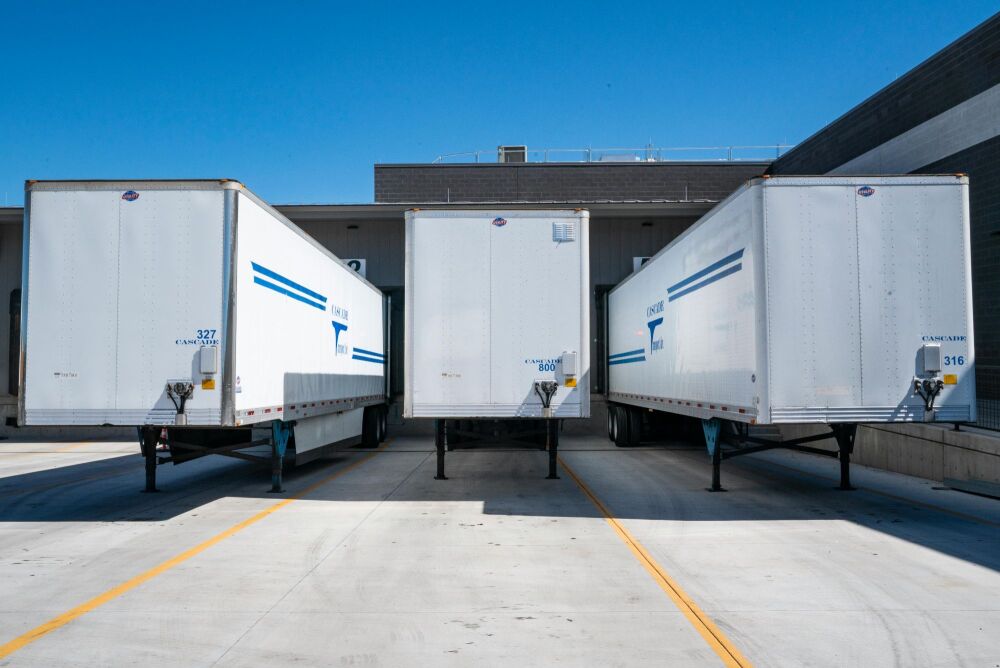
Cold chain logistics is a bit like running a marathon inside a fridge. Everything needs to stay cold, clean, compliant, and moving at speed. One weak link and the whole system starts wobbling like a supermarket trolley with a dodgy wheel. That is where sustainable steam cleaning in cold chain logistics has become far more than a trendy phrase thrown around in boardrooms beside untouched biscuits.
Businesses handling chilled and frozen goods face constant pressure to maintain hygiene standards without driving water use, chemical waste, and energy bills through the roof. Steam cleaning offers a smarter route. It cleans deeply, cuts downtime, and avoids turning warehouse floors into indoor skating rinks. Nobody misses those.
Check out our range of steam cleaners!
Key Takeaways
-
Sustainable steam cleaning in cold chain logistics reduces chemical use while improving hygiene standards
-
Steam cleaning uses less water than traditional washdown systems
-
Cold storage facilities benefit from faster drying times and reduced disruption
-
Food safety compliance becomes easier with high-temperature sanitation
-
Businesses can lower operational costs while supporting sustainability targets
Why Is Hygiene So Important in Cold Chain Logistics?
Cold chain logistics deals with products that cannot afford mistakes. Food, pharmaceuticals, and temperature-sensitive materials all rely on strict cleanliness standards. A small contamination issue can become a very expensive headline. Traditional cleaning methods often create more moisture than facilities want. Excess water in cold environments quickly turns into ice. Ice leads to safety risks, damaged stock, and employees doing accidental impressions of Olympic curlers. This is why sustainable steam cleaning in cold chain logistics is gaining attention. Steam sanitises surfaces using heat rather than drowning facilities in chemicals and water.
What Makes Steam Cleaning Different?
Steam cleaning works by heating water to high temperatures and applying low-moisture vapour onto surfaces. Sounds simple because it is. The real difference sits in how effectively it removes grease, bacteria, mould, and grime without soaking everything in sight. Steam reaches tiny cracks and awkward corners where traditional cleaning tools often wave a white flag. In cold chain environments, that matters enormously.
How Does Steam Cleaning Support Sustainability Goals?
Most businesses now face pressure to reduce environmental impact. Clients expect it. Regulators expect it. Investors expect it. Even Karen from procurement probably expects it. Sustainable steam cleaning in cold chain logistics supports environmental goals in several practical ways.
Reduced Water Consumption
Traditional pressure washing systems can use vast amounts of water every day. Steam systems use significantly less because the vapour carries cleaning power more effectively. Less water in cold storage also means less ice formation. That saves additional energy and maintenance costs.
Lower Chemical Usage
Steam sanitises naturally through heat. Many cleaning tasks need few or no harsh chemicals at all. That means fewer chemical residues near food products and less environmental waste entering drainage systems.
Energy Savings
Modern steam systems heat quickly and clean faster. Facilities spend less time shutting down sections for cleaning. Shorter downtime means refrigeration systems work more efficiently. Cold storage operators know every minute counts. Refrigeration units are not exactly known for their modest electricity habits.
Why Are Businesses Moving Away From Traditional Cleaning Methods?
Older cleaning approaches often create several headaches at once. Large volumes of water increase slip hazards. Harsh chemicals require careful storage and disposal. Long drying times slow operations. Equipment may even corrode faster. It becomes a cycle of spending money to create new problems. Sustainable steam cleaning in cold chain logistics offers a cleaner process with fewer side effects. That balance matters for facilities operating around the clock.
Can Steam Cleaning Improve Food Safety?
Yes, and this is one of the strongest reasons businesses invest in it. Steam reaches temperatures capable of killing many harmful bacteria and pathogens. That makes it highly effective for food production and storage facilities. Cold chain environments often store meat, dairy, seafood, and ready meals. These products demand strict sanitation standards. Using sustainable steam cleaning in cold chain logistics helps facilities maintain hygiene while reducing contamination risks. Nobody wants a recall notice attached to their company name. Those tend to ruin Mondays.
Which Areas Benefit Most From Steam Cleaning?
Steam cleaning works particularly well across several cold chain areas.
Refrigerated Warehouses
Warehouse floors, shelving, and loading bays collect dirt surprisingly quickly. Steam removes grime while limiting excess moisture.
Transport Vehicles
Refrigerated lorries and containers require regular sanitation between loads. Steam cleaning speeds up turnaround times.
Food Processing Equipment
Machines handling food products need deep cleaning without damaging sensitive parts. Steam reaches difficult spaces effectively.
Cold Storage Walls And Ceilings
Condensation can encourage mould growth. Steam cleaning removes buildup without flooding surfaces.
How Does Steam Cleaning Help Compliance?
Compliance rules in food and pharmaceutical logistics continue tightening. Audits have become more detailed, and inspectors rarely arrive carrying good news. Steam cleaning supports compliance by improving sanitation consistency. Facilities using sustainable steam cleaning in cold chain logistics often find it easier to maintain cleaning records and hygiene standards. The process is measurable, repeatable, and easier to control compared with manual washdown methods. That matters when inspectors arrive looking serious while holding clipboards like medieval weapons.
Is Steam Cleaning Safe For Equipment?
Generally, yes. Steam cleaning is often gentler than aggressive chemical cleaning or high-pressure washing. Low-moisture steam reduces corrosion risks and limits water exposure around electrical components. Of course, operators still need proper training. Spraying steam randomly at sensitive electronics is still a terrible plan. Some things never change.
What Financial Benefits Can Businesses Expect?
Sustainability matters, but businesses still need numbers that make sense. Sustainable steam cleaning in cold chain logistics helps reduce costs in several areas.
Lower Water Bills
Using less water cuts operational costs immediately.
Reduced Chemical Spending
Fewer cleaning chemicals means lower purchasing and disposal costs.
Less Downtime
Steam cleaning often works faster than traditional methods, allowing operations to continue with fewer interruptions.
Lower Maintenance Costs
Reduced moisture exposure helps protect flooring, machinery, and storage infrastructure.
Improved Workplace Safety
Less standing water means fewer slips and accidents. Nobody enjoys paperwork after someone falls over beside a pallet of frozen peas.
Check out our range of steam cleaners!
Why Does Drying Time Matter So Much?
Drying time becomes a major issue in cold storage environments because water freezes quickly. Traditional cleaning methods can leave facilities wet for extended periods. That creates operational delays and safety hazards. Steam cleaning uses far less moisture, so surfaces dry faster. This is one reason sustainable steam cleaning in cold chain logistics continues expanding across refrigerated distribution centres.
Can Steam Cleaning Help With Odour Control?
Absolutely.
Cold storage facilities sometimes develop lingering odours from food residue, mould, or bacterial growth. Steam cleaning removes contaminants at the source rather than masking smells with chemicals. That creates a cleaner environment for staff and stored products alike. A warehouse smelling faintly of forgotten seafood is rarely a sign things are going well.
What Should Businesses Look For In Steam Cleaning Equipment?
Not all systems deliver the same results. Businesses should focus on several key factors.
Temperature Control
Higher temperatures improve sanitisation performance.
Low Moisture Output
This is critical in refrigerated spaces where excess water creates risks.
Durability
Cold chain operations are demanding environments. Equipment must withstand constant use.
Ease Of Maintenance
Complicated maintenance schedules quickly become unpopular with operational teams.
Mobility
Portable systems allow cleaning across large facilities and transport fleets. Businesses exploring sustainable steam cleaning in cold chain logistics should work with suppliers experienced in industrial environments rather than household cleaning systems pretending to be industrial after a motivational speech.
How Does Steam Cleaning Support ESG Targets?
Environmental, Social, and Governance goals now influence many supply chain decisions. Steam cleaning supports ESG reporting by reducing water use, lowering chemical dependency, and improving workplace safety. Clients increasingly expect logistics partners to demonstrate environmental responsibility. Sustainable practices now influence contracts, partnerships, and procurement decisions. Sustainable steam cleaning in cold chain logistics provides measurable improvements businesses can include within sustainability reporting.
Are Employees Easier To Train With Steam Systems?
In many cases, yes.
Steam cleaning systems often simplify procedures because they reduce reliance on multiple chemical products and complicated mixing instructions. Training becomes more straightforward, and staff spend less time handling hazardous substances. That also helps reduce human error. Which is useful because someone always forgets the dilution ratio five minutes after training ends.
What Challenges Can Businesses Face During Adoption?
No system arrives without adjustment periods.
Some facilities may need infrastructure changes or updated cleaning schedules. Staff training remains important, and businesses must choose systems suited to their environment. Initial investment costs can also appear higher than traditional cleaning equipment. Yet many organisations recover costs through reduced water usage, lower chemical spending, and operational savings. Long-term thinking tends to work better than buying the cheapest option available beside a suspicious online discount banner.
Why Is Steam Cleaning Growing Across The UK Logistics Sector?
The UK logistics industry faces mounting pressure around sustainability, hygiene, and operational efficiency. Cold chain businesses need solutions that meet strict food safety expectations without increasing environmental impact. This is why sustainable steam cleaning in cold chain logistics is becoming more common across distribution hubs, food manufacturing facilities, and refrigerated transport fleets. Businesses want cleaning systems that work harder without creating fresh problems. Steam cleaning fits neatly into that goal.
How Does Steam Cleaning Improve Brand Reputation?
Clients notice cleanliness standards. Auditors notice them too. Social media certainly notices when things go wrong. Companies investing in sustainable steam cleaning in cold chain logistics demonstrate commitment to hygiene, environmental responsibility, and operational standards. That strengthens trust across supply chains. It also helps businesses avoid becoming the subject of one of those deeply uncomfortable LinkedIn posts beginning with, “We regret to inform customers…”
What Role Does Automation Play In Steam Cleaning?
Automation is becoming increasingly important within logistics operations. Some steam cleaning systems now integrate with automated cleaning schedules and monitoring systems. Facilities can standardise processes while reducing labour demands. For large cold chain operations, this consistency supports both compliance and productivity goals. Machines handling repetitive cleaning tasks also complain less than humans during night shifts. Usually.
Why Is Sustainable Steam Cleaning Becoming A Long-Term Strategy?
Businesses no longer view sustainability as a side project sitting quietly in an annual report. Environmental performance now affects contracts, regulations, customer expectations, and operational costs. Companies that ignore this shift risk falling behind competitors moving faster. Sustainable steam cleaning in cold chain logistics offers practical benefits rather than vague promises. It improves hygiene, cuts waste, lowers water use, and supports safer working conditions. That combination makes it attractive for businesses trying to balance commercial pressure with environmental responsibility. And unlike some corporate trends, this one actually cleans something.
Add a comment: