
How Self-Descaling Boilers Work
Posted on
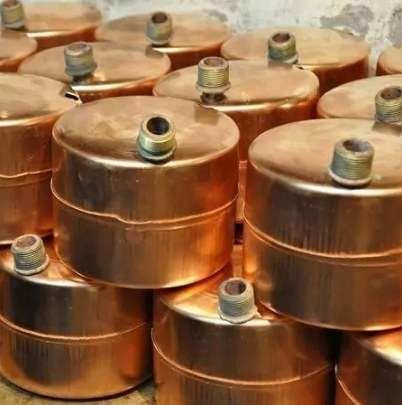
If you’ve ever dealt with limescale clogging up a boiler, you’ll understand why self-descaling boilers work has become such a hot topic in commercial settings. Hard water is the silent saboteur of heating systems. It creeps in, layer by stubborn layer, until your once-proud boiler is wheezing like it’s run a marathon it never trained for. So how do self-descaling boilers work without constant chemical treatments or frantic maintenance calls? Let’s break it down in plain English.
Check out our range of steam cleaners
The Real Problem: Limescale and Hard Water
Before we get into how self-descaling boilers work, we need to talk about the villain of the story: limescale.
Hard water contains dissolved minerals, mainly calcium and magnesium. When water is heated, these minerals crystallise and stick to surfaces. Inside a boiler, that means heating elements, pipes and tanks become coated in a chalky crust. Not exactly what you’d call helpful.
Over time, this build-up:
- Reduces heat transfer
- Increases energy use
- Raises operating costs
- Shortens equipment lifespan
For businesses running steam systems daily, scale isn’t a minor inconvenience. It’s an expensive habit.
Traditional Boilers: A Constant Battle
In a conventional system, scale prevention often means:
- Water softeners
- Chemical dosing
- Regular manual descaling
- Scheduled downtime
All perfectly manageable… until they’re not. Miss a service window and performance dips. Delay maintenance and energy bills creep up. Ignore it altogether and the boiler reminds you in a rather dramatic fashion.
This is exactly where the conversation about how self-descaling boilers work becomes interesting.
What Is a Self-Descaling Boiler?
A self-descaling boiler is designed to reduce or eliminate scale build-up automatically. Rather than waiting for limescale to accumulate and then removing it, the system actively prevents adhesion or manages mineral separation during operation.
In simple terms, it stops scale from sticking around long enough to cause trouble.
It’s a bit like having a non-stick frying pan instead of scraping burnt bits off a stainless-steel one every night.
The Core Principle Behind Self-Descaling Technology
At the heart of how self-descaling boilers work is control. Control of temperature, flow, and mineral behaviour.
When water is heated in a controlled, consistent way, and when surfaces are designed to resist mineral attachment, scale struggles to bond. Some systems use mechanical flushing methods. Others rely on specific heating patterns or internal design features that reduce stagnant water zones where scale likes to settle.
It’s less about magic and more about clever engineering.
Intelligent Heat Transfer Design
One major factor in how self-descaling boilers work is heat exchanger design.
In standard boilers, hotspots form on heating elements. These hotspots encourage rapid mineral precipitation. Self-descaling models often distribute heat more evenly, reducing extreme surface temperatures.
When surfaces don’t overheat, minerals are less likely to crystallise aggressively. The result? Less build-up, more stable performance.
It’s a bit like toasting bread gently instead of incinerating one corner while the rest stays pale.
Continuous Water Movement
Stagnation is scale’s best friend. If water sits still in hot conditions, minerals settle and harden.
Self-descaling boilers work by maintaining continuous water movement across critical surfaces. This prevents minerals from settling in one place long enough to form solid deposits.
Movement keeps particles suspended until they can be flushed out naturally.
Imagine trying to settle dust in a room with a constant breeze. It doesn’t stay put for long.
Automatic Flush Cycles
Some commercial systems include automated flush or purge cycles. These are programmed to discharge small amounts of mineral-rich water at intervals.
By regularly removing concentrated water, the system reduces mineral saturation levels inside the boiler.
This proactive behaviour is central to how self-descaling boilers work in high-demand environments like food production, healthcare facilities, and industrial cleaning operations.
It’s preventative housekeeping rather than emergency cleaning.
Surface Materials That Resist Scale
Materials matter. A lot.
Certain alloys and coatings are less prone to mineral adhesion. When internal components are made from scale-resistant materials, deposits struggle to bond tightly.
That doesn’t mean minerals vanish. It means they’re easier to manage and remove during normal operation.
Think of it as choosing a raincoat over a wool jumper in a storm. One sheds water. The other absorbs it and regrets life choices.
Controlled Temperature Cycling
Rapid temperature spikes encourage mineral crystallisation. Controlled cycling reduces that risk.
By carefully managing heating curves and maintaining stable thermal output, self-descaling boilers work in a way that minimises the chemical conditions scale requires to form aggressively.
This approach also supports consistent steam quality, which businesses depend on.
Reduced Chemical Dependency
Many organisations rely heavily on chemical descalers or water treatment additives. While effective, they add cost and operational complexity.
Because self-descaling boilers work through internal design and automated processes, they often require fewer chemical interventions.
That means:
- Lower consumable costs
- Less manual monitoring
- Reduced environmental impact
For companies with sustainability targets, that’s not a small detail.
Check out our range of steam cleaners
Energy Efficiency Gains
Scale acts as insulation. Unfortunately, not the helpful kind.
Even a few millimetres of limescale can dramatically reduce heat transfer efficiency. Boilers then burn more fuel to achieve the same output.
By limiting scale formation, self-descaling boilers work more consistently and maintain energy performance over time.
This isn’t about flashy savings claims. It’s about avoiding gradual decline.
Lower Maintenance Requirements
Maintenance teams have enough on their plates. Chiselling scale out of boilers isn’t usually their favourite task.
Since self-descaling boilers work by preventing heavy deposits from forming, servicing becomes more predictable and less labour-intensive.
You still inspect equipment. You just don’t dread opening it up.
Extended Equipment Lifespan
Thermal stress increases when scale forms. Uneven heating leads to component fatigue. Gaskets fail. Elements burn out.
By reducing mineral build-up, self-descaling boilers work in a way that protects internal components from excessive strain.
Longer lifespan means better capital return and fewer unplanned replacements. Finance directors tend to appreciate that sort of thing.
Steam Quality and Consistency
For sectors that rely on steam for sterilisation, cleaning, or processing, consistency is non-negotiable.
Scale build-up affects pressure stability and heat transfer. That can compromise output quality.
Because self-descaling boilers work to maintain clean heat exchange surfaces, steam production remains stable and predictable.
No drama. No surprises. Just steady output.
Real-World Commercial Applications
Industries that benefit from understanding how self-descaling boilers work include:
- Food manufacturing
- Healthcare facilities
- Hospitality operations
- Industrial cleaning services
- Automotive workshops
In each case, downtime costs money. Scale-related failures cost even more.
When a system can manage mineral build-up internally, operational risk drops.
Integration With Modern Steam Systems
Self-descaling boilers are often paired with modern steam cleaning systems, such as those supplied by companies like Steam Clean Systems. In these environments, reliability is non-negotiable.
High-performance steam equipment relies on boilers that can cope with hard water without constant intervention. Understanding how self-descaling boilers work helps businesses select systems that won’t quietly deteriorate behind the scenes.
It’s about pairing smart boiler technology with equally capable downstream equipment.
Cost Considerations for Businesses
Upfront costs may be higher than basic boiler units. That’s usually the sticking point.
But consider the full picture:
- Reduced descaling labour
- Fewer chemical purchases
- Lower energy waste
- Extended service intervals
- Decreased downtime
When self-descaling boilers work as designed, operational savings accumulate gradually rather than arriving with fireworks.
It’s the slow, steady type of improvement that accountants rarely complain about.
Common Misconceptions
Some believe self-descaling means zero maintenance. It doesn’t.
Water quality still matters. Routine inspections remain essential. No boiler is immune to physics.
The difference is that self-descaling boilers work to manage scale continuously instead of allowing it to build until intervention becomes urgent.
It’s the difference between brushing your teeth daily and booking an emergency dentist appointment.
Choosing the Right System
Not all systems marketed as “self-descaling” operate in the same way. When evaluating options, businesses should look at:
- Internal heat exchanger design
- Automated flushing features
- Material composition
- Temperature control systems
- Compatibility with existing infrastructure
Understanding how self-descaling boilers work makes procurement conversations more grounded and less reliant on glossy brochures.
Ask practical questions. Demand technical clarity. If the explanation sounds like wizardry, it probably isn’t engineering.
The Bigger Picture: Operational Resilience
At a strategic level, scale management is about resilience.
Boilers sit quietly in plant rooms, rarely attracting attention until something fails. When they do fail, production halts, schedules slip, and costs climb.
By investing in systems where self-descaling boilers work as part of everyday operation, businesses reduce hidden risk.
It’s not glamorous. It’s not dramatic. It’s simply sensible.
And in commercial environments, sensible usually wins.
So the next time someone dismisses limescale as a minor nuisance, remember this: scale doesn’t knock politely. It accumulates quietly, drains energy steadily, and shortens equipment life without ceremony.
Understanding how self-descaling boilers work is less about technical curiosity and more about protecting performance over time. Because in business, steady reliability beats heroic repair jobs every single time.
Add a comment: