
Reduce Downtime with Steam Cleaning
Posted on
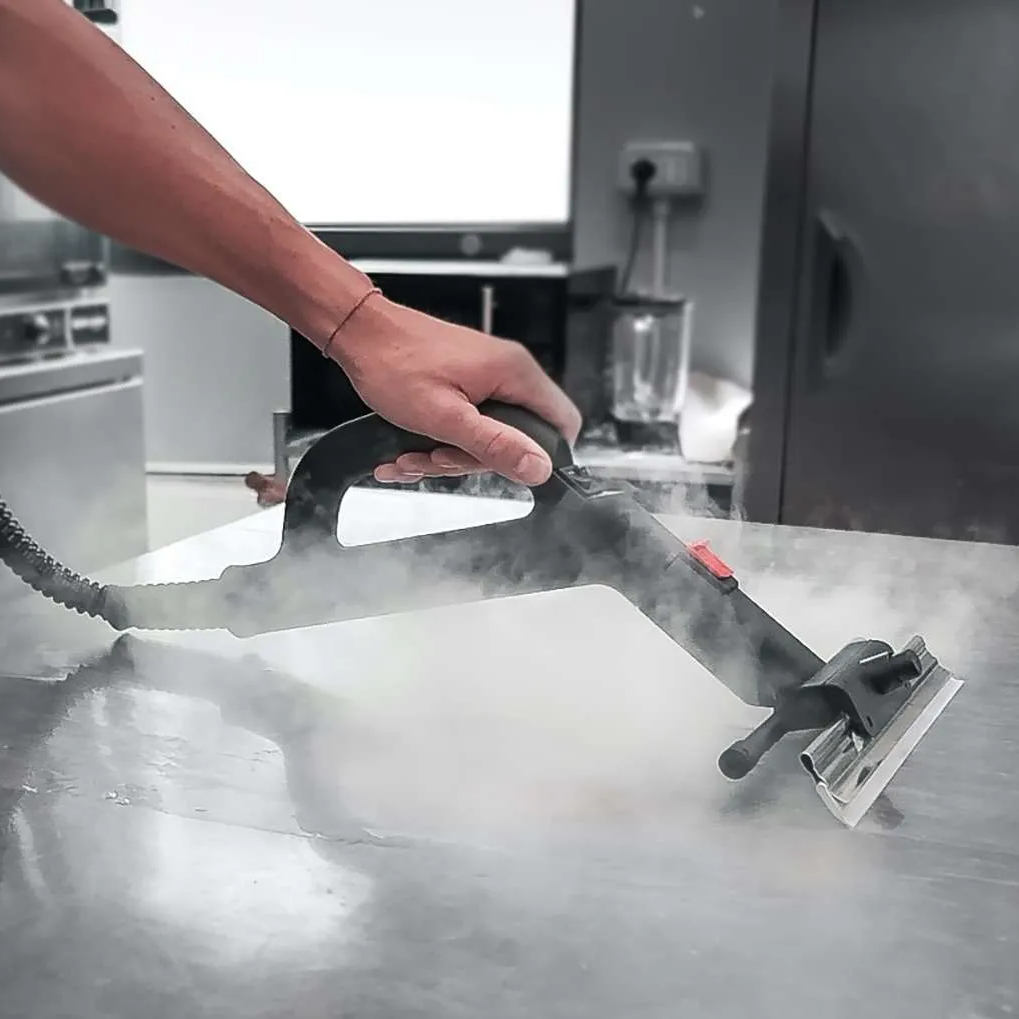
Downtime is the corporate equivalent of a kettle that’s boiled dry, lots of heat, no tea. If you’re running facilities, plant, or fleet operations, every paused minute quietly empties your budget. That’s why businesses increasingly reduce downtime with steam cleaning instead of traditional washdowns. It’s faster, dries quicker, and doesn’t leave half the building waiting for floors to stop behaving like ice rinks. You don’t need a grand strategy document to see the appeal. You need production lines moving, rooms usable, and staff not hovering awkwardly by a “Wet Floor” sign contemplating their life choices.
Check out our range of steam cleaners!
The Hidden Cost of Stopping Work
Most organisations track labour, utilities, and materials. Fewer properly track interruption cost. Machines idle. Staff idle. Deliveries stack up. Someone phones someone else to ask why nothing is happening. The awkward truth? Cleaning often causes more stoppage than the dirt ever did. Traditional pressure washing floods an area. Chemical cleaning needs dwell time. Drying takes longer than a British summer. Every step creates waiting. That’s where many operations reduce downtime with steam cleaning, because the clean and the restart almost overlap.
Why Steam Changes the Pace
Steam isn’t just hot water having ambitions. At high temperature and low moisture, it breaks down grease, bacteria, and residue quickly while leaving very little water behind. Think of it less like washing a car and more like defrosting a freezer. Things release rather than dissolve. That difference matters in workplaces where restarting operations quickly beats polishing perfection. Facilities teams reduce downtime with steam cleaning because surfaces become usable almost immediately, not “after lunch”.
Faster Cleaning Without the Drama
Speed isn’t only about blasting dirt faster. It’s about cutting steps:
- No soaking phase
- Minimal scrubbing
- Little rinsing
- Short drying
Instead of three staff cleaning in stages, one trained operator finishes and moves on. Production managers tend to enjoy that. Finance directors positively beam.
In practice, teams reduce downtime with steam cleaning by eliminating the waiting between tasks, the silent killer of productivity.
The Drying Time Problem Nobody Talks About
Water lingers. Floors absorb it. Seals trap it. Electrical areas fear it. Steam contains far less moisture than pressure washing, so surfaces are touch-dry in minutes rather than hours. That matters in factories where conveyors and sensors dislike baths. Maintenance departments reduce downtime with steam cleaning because equipment can be powered back up almost straight away, and nobody has to stand guard with a mop like a lifeguard at a very dull beach.
Safety Improves When Water Leaves
Slip incidents spike after conventional cleaning. You already know the drill: warning signs, cones, barriers, apologetic emails. Steam drastically reduces residual water. Fewer puddles mean fewer accidents and fewer incident forms that begin with “Employee states they weren’t running”. Health and safety managers reduce downtime with steam cleaning because the area reopens quickly without turning into a skating rink.
Chemical Reduction and Fewer Rinse Cycles
Detergents do their job, but they also leave residue that must be removed. That removal often takes longer than the cleaning itself. Steam cuts through oils and biofilm using temperature rather than chemistry. Less chemical, less rinse, less time. Production supervisors reduce downtime with steam cleaning partly because they’re no longer waiting for surfaces to be food-safe or touch-safe again.
Food Manufacturing: Cleaning Without Halting Production
Food environments run on tight windows. Sanitation must happen, but stopping lines costs thousands per hour. Steam sanitises surfaces quickly and reaches joints and seals where cloths give up. The minimal moisture also means reduced microbial regrowth risk. Food processors reduce downtime with steam cleaning during shift changes rather than overnight shutdowns, which is about as popular as discovering extra chips at the bottom of the bag.
Healthcare Facilities and Turnaround Speed
Hospital rooms and clinics need rapid turnover. Patients don’t queue politely because a floor is drying. Steam penetrates mattresses, rails, curtains, and hard surfaces without soaking them. Pathogen reduction happens fast, and rooms reopen quickly. Healthcare estates teams reduce downtime with steam cleaning because bed availability matters more than ever, and wet carpets are rarely part of a treatment plan.
Public Transport and Fleet Operations
Buses, trains, and service vehicles operate on schedules tighter than a parking warden’s smile. Taking them out for washing disrupts routes and revenue. Steam cleans seats, dashboards, and exteriors with minimal water runoff. Interiors dry before the next shift begins. Fleet managers reduce downtime with steam cleaning overnight, not over half the day, meaning drivers actually have vehicles to drive.
Offices and Commercial Buildings
Corporate spaces hate disruption. Staff hate relocation even more. Steam allows cleaning around work rather than after work. Desks, partitions, kitchens, and washrooms become usable almost instantly. Facilities teams reduce downtime with steam cleaning, so meetings happen in meeting rooms rather than corridors, which is always preferable unless you enjoy shouting over printers.
Check out our range of steam cleaners!
Machinery and Equipment Longevity
Excess water damages bearings, electronics, and insulation. Ironically, cleaning sometimes shortens equipment life. Steam removes contaminants without saturation. Lubricants remain where intended. Sensors survive the process. Maintenance engineers reduce downtime with steam cleaning because fewer breakdowns follow cleaning, a rare moment where maintenance doesn’t create maintenance.
Sustainability Without Slowing Work
Environmental targets are now part of operations planning, not marketing fluff. Steam uses less water and fewer chemicals, cutting disposal requirements. That also shortens cleanup time afterwards. Organisations reduce downtime with steam cleaning while meeting environmental standards, pleasing both auditors and the planet, which rarely agree on paperwork.
Training Matters More Than the Machine
Give someone a pressure washer, and they’ll spray everything. Give someone steam and they’ll either clean brilliantly or gently warm the room. Proper training focuses on temperature control, nozzle distance, and surface compatibility. Once understood, speed improves dramatically. Companies reduce downtime with steam cleaning after training because operators stop experimenting and start executing.
Choosing the Right Equipment Supplier
Not all machines behave the same. Output pressure, temperature stability, and recovery time decide whether cleaning is quick or theatrical. Many UK facilities work with Steam Clean Systems for industrial-grade machines designed for continuous use rather than occasional domestic heroics. Operations teams reduce downtime with steam cleaning when the equipment maintains heat and pressure consistently, because waiting for reheating defeats the point.
The Return on Investment Is Mostly Time
The maths isn’t complicated:
Lost production time costs more than cleaning ever will.
If steam shortens cleaning by 70%, it pays for itself surprisingly quickly. Labour savings alone often justify the change within months. Finance departments reduce downtime with steam cleaning once they realise it’s not a cleaning upgrade, it’s a productivity upgrade, wearing a hygiene badge.
Scheduling Cleaning During Operations
The real advantage appears when cleaning no longer requires shutdown.
Spot cleaning becomes normal:
- Between batches
- During shift overlap
- While adjacent areas operate
Managers reduce downtime with steam cleaning because cleaning becomes a background activity instead of a headline event.
Maintenance Logs Become Boring Again
When cleaning stops breaking things, maintenance reports grow quieter. Fewer electrical faults. Fewer rust patches. Fewer emergency callouts. And frankly, boring logs are a triumph. Facilities managers quietly appreciate that they reduce downtime with steam cleaning and stop explaining why yesterday’s cleaning caused today’s breakdown.
Common Misconceptions That Waste Time
People often imagine steam equals delicate or slow. Industrial steam is neither. It’s targeted heat delivered quickly. Another myth: it can’t handle heavy grease. In reality, grease softens under heat faster than under detergent. Once teams see it in action, they stop debating and start scheduling, which tends to be the universal sign a cleaning method works.
Integrating Steam into Existing Processes
You don’t rip out your current system overnight. Most companies begin with problem areas:
- High-traffic floors
- Conveyor belts
- Washrooms
- Equipment housings
Gradually, the method spreads because the results are immediate and measurable. Productivity meetings suddenly feature cleaning as a positive example, which feels almost unnatural. And that’s the quiet goal: cleaning that doesn’t interrupt business, doesn’t damage assets, and doesn’t require a committee to approve every mop stroke.
Add a comment: