
Steam Cleaning Conveyor Belts Made Easy
Posted on
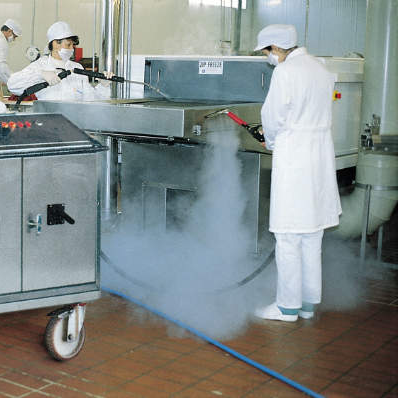
If you’ve ever tried cleaning a conveyor belt, you know it’s about as much fun as scrubbing a muddy dog with a toothbrush. Enter steam cleaning conveyor belts, the modern miracle that makes this task far less soul-destroying. It’s efficient, sanitary, and doesn’t leave your hands smelling like a chemical factory.
Check out our range of steam cleaners!
Why Steam Cleaning Conveyor Belts Works
Conveyor belts are magnets for grease, food residue, and industrial grime. Traditional cleaning with chemicals or scrapers is slow and often misses spots. Steam cleaning conveyor belts uses high-temperature vapour to blast away dirt and bacteria in one go, leaving surfaces almost sterile.
The Science Behind the Steam
High-pressure steam penetrates every nook and cranny, breaking down hardened residue without abrasive scrubbing. Think of it as sending your conveyor belt to a spa, deep-cleaning at the molecular level.
Health and Safety Benefits
Factories, kitchens, and warehouses face strict hygiene rules. Steam cleaning conveyor belts reduces chemical exposure for staff and kills up to 99.999% of bacteria and viruses. Your safety officers will thank you, and your insurance premiums might stop twitching nervously.
Equipment You’ll Need
Not all steam cleaners are created equal. Industrial-grade machines like those from Steam Clean Systems are self-descaling, meaning no more fiddling with lime scale. For conveyor belts, opt for models with continuous flow steam and appropriate pressure ratings.
Preparing Your Conveyor Belt
Switch off the machinery and remove any loose debris. Steam cleaning conveyor belts is effective, but you don’t want chunks of yesterday’s lunch clogging the works. A simple brush or vacuum works wonders.
Technique Tips
Move the steam nozzle along the belt steadily. Too fast, and the grime laughs at you. Too slow, and you risk overheating the belt material. Keep the nozzle at a consistent distance, about the width of your palm works well.
Check out our range of steam cleaners!
Targeting Tough Spots
Corners, joints, and belt edges are magnets for gunk. Focus steam here, but don’t linger too long on any one spot. Steam cleaning conveyor belts is precise work, more ninja than bulldozer.
Cleaning Frequency
How often depends on usage. A food processing line may need daily steam cleaning, while a packaging conveyor might manage weekly. Consistency ensures longevity and prevents microbial build-up.
Water Quality Matters
Hard water = lime scale, and lime scale is the sworn enemy of steam cleaners. Using filtered water prolongs the life of your machine and ensures your conveyor belts get truly clean.
Eco-Friendly Cleaning
No need for harsh chemicals. Steam cleaning conveyor belts is environmentally considerate. Fewer chemicals, less waste, and lower risk of accidental contamination, it’s like killing two birds with one very steamy stone.
Drying After Steam
Despite the name, steam cleaning leaves surfaces damp. Allow conveyor belts to air dry before restarting production. Some setups benefit from integrated blowers, especially in high-speed operations.
Cost Considerations
Investing in a quality steam cleaner might sting the budget initially, but consider the savings: less chemical use, reduced labour, longer belt life, and fewer breakdowns. In short, it pays for itself.
Common Mistakes to Avoid
- Overheating the belt
- Ignoring corners and joints
- Using untreated water
- Rushing the process
Avoiding these keeps your conveyor belt gleaming and functional.
Steam Cleaning Conveyor Belts in Food Production
Food safety is non-negotiable. Steam cleaning conveyor belts eliminates grease and residue that attract bacteria. It’s faster than manual cleaning and much more hygienic, keeping your HACCP auditors happy.
Industrial Applications Beyond Food
Factories, warehouses, and logistics hubs benefit too. Grease, dust, and debris can gum up machinery. Steam cleaning conveyor belts keeps production smooth and reduces unscheduled maintenance.
The Bottom Line
Steam cleaning conveyor belts isn’t rocket science, but it does require the right tools and technique. The benefits? Cleaner belts, safer staff, and a far more bearable cleaning routine. Think of it as industrial therapy: hot, efficient, and oddly satisfying.
Add a comment: