
Steam Cleaning for Historic Buildings
Posted on
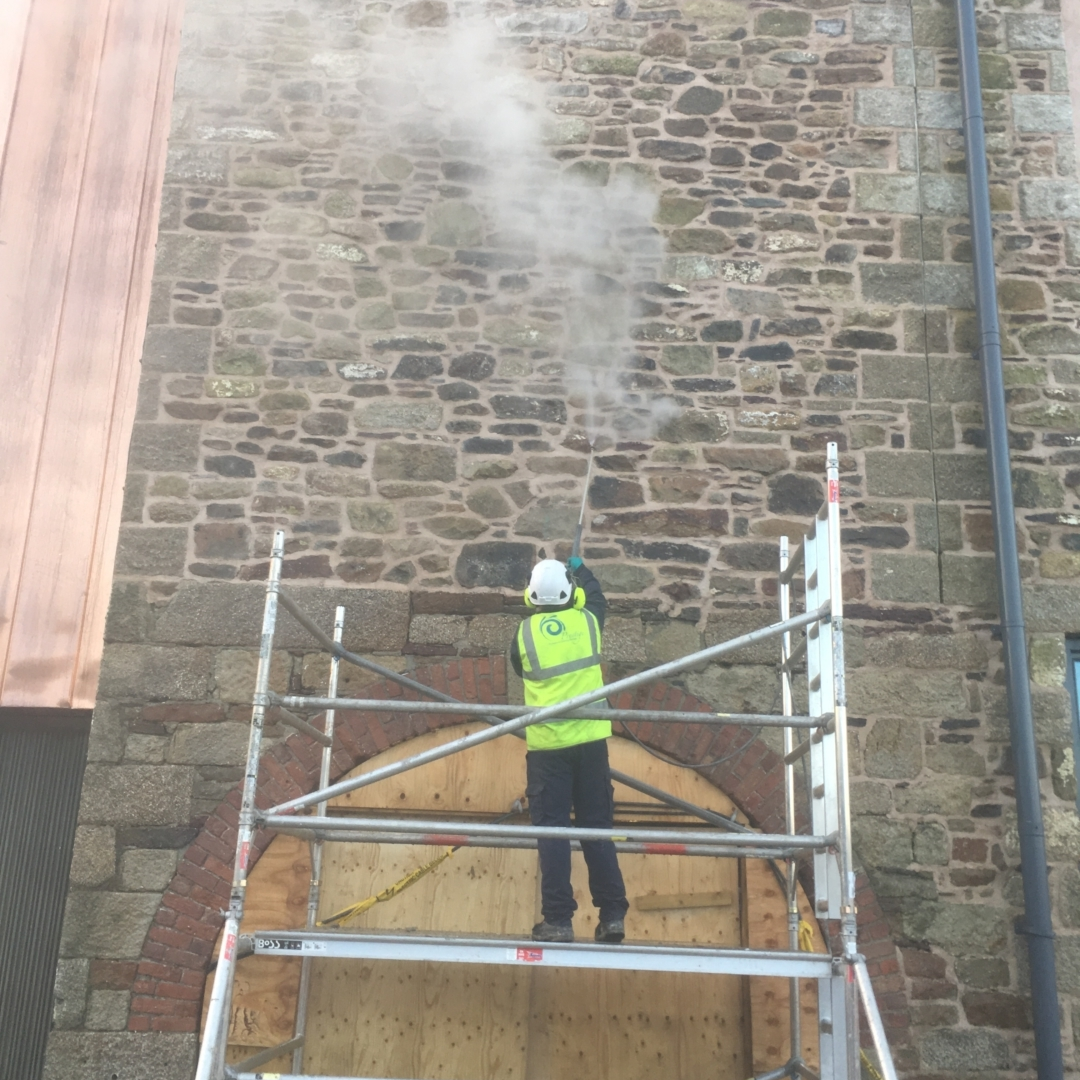
Key takeaways before we get carried away
-
Dry steam cleaning for historic buildings cleans without soaking fragile materials
-
High heat, very low moisture means surfaces dry fast and behave themselves
-
Ideal for stone, brick, timber, metal, and decorative details
-
Minimal chemicals, which keeps conservation officers and building managers calm
-
Helps preserve original fabric rather than slowly sanding history away
Dry steam cleaning for historic buildings sounds like a contradiction at first. Steam, but dry? It’s a bit like dry humour, subtle, effective, and easily misunderstood. Yet dry steam cleaning for historic buildings has become one of the most trusted ways to clean heritage sites without turning them into renovation projects.
Check out our range of steam cleaners!
What exactly is dry steam cleaning?
Dry steam cleaning uses high-temperature vapour with very low moisture content. We’re talking about steam hot enough to break down grime, grease, and biological growth, but dry enough to avoid saturating surfaces. For historic buildings, that balance is everything. Dry steam cleaning for historic buildings cleans thoroughly while leaving materials structurally and emotionally intact.
Why can’t historic buildings be cleaned like modern ones?
Modern buildings tolerate aggressive methods. Historic buildings do not. Old stone is softer, mortar is more porous, and timber has already lived a full life. Dry steam cleaning for historic buildings respects those realities. It removes dirt without forcing water deep into walls or scouring surfaces until they lose their character.
How does dry steam differ from traditional steam cleaning?
Traditional steam cleaning often introduces more moisture than you’d want anywhere near a heritage structure. Dry steam cleaning for historic buildings keeps moisture levels low while maintaining high temperatures. That means effective cleaning without the damp aftermath that leads to mould, cracking, or a strongly worded email from a conservation officer.
Why is low moisture such a big deal for heritage sites?
Historic buildings breathe. Flood them with water and they retaliate with salt blooms, rot, frost damage, and stains that appear months later just to prove a point. Dry steam cleaning for historic buildings avoids that by keeping water usage minimal and evaporation fast. Surfaces get clean, then get on with their day.
Is dry steam safe for historic stone and masonry?
Yes, when applied correctly. Dry steam cleaning for historic buildings is commonly used on limestone, sandstone, brick, and terracotta. The heat loosens embedded dirt while the lack of pressure and moisture prevents surface loss. Stone stays stone, not a slightly smoother version of itself.
Can dry steam damage delicate surfaces?
Only if someone treats it like a power washer, which it isn’t. Dry steam cleaning for historic buildings relies on control, temperature, distance, and dwell time all matter. Used properly, it’s gentle enough for carved details and decorative features that really don’t want to be replaced.
How does dry steam handle moss, algae, and bio-growth?
Biological growth loves old buildings. Dry steam cleaning for historic buildings kills moss, algae, and spores using heat alone. No chemicals soaking into pores, no green fuzz returning after a light drizzle, and no surprise regrowth that makes last month’s cleaning look optimistic.
Is dry steam cleaning suitable for listed buildings?
Very much so. Dry steam cleaning for historic buildings fits neatly with conservation principles because it’s reversible, non-abrasive, and minimally invasive. It cleans without altering surface profiles or removing original material, which keeps planning authorities and heritage bodies on speaking terms with everyone involved.
Where can dry steam be used on historic buildings?
Dry steam cleaning for historic buildings works across façades, internal stone walls, tiled floors, staircases, timber beams, metal railings, and ornamental details. It’s especially useful where multiple materials meet and nobody wants to guess which cleaning product might quietly cause damage.
How does dry steam perform indoors?
Exceptionally well. Dry steam cleaning for historic buildings is ideal for interiors because it doesn’t flood rooms or leave residues. That makes it suitable for churches, museums, libraries, and heritage offices where people still need to occupy the space without smelling chemicals or dodging wet floors.
Check out our range of steam cleaners!
Is dry steam suitable for churches and museums?
Yes, and it’s often preferred. Dry steam cleaning for historic buildings removes soot, wax, oils, and general grime without disturbing artefacts or finishes. It’s quiet, controlled, and doesn’t require moving half the contents into storage while the building dries out.
Does dry steam help preserve original materials?
That’s one of its main selling points. Dry steam cleaning for historic buildings removes contaminants that accelerate decay, such as pollution deposits and biological growth. By lifting these gently, the original material lasts longer, which beats replacing it and pretending it’s “in keeping”.
How does dry steam compare to abrasive cleaning methods?
Abrasive methods clean by removing surface material. Dry steam cleaning for historic buildings cleans by loosening dirt. The difference is subtle but critical. Details remain sharp, textures stay intact, and nobody has to explain why historic carvings suddenly look a bit tired.
What about pollution and urban staining?
Dry steam cleaning for historic buildings is effective against carbon deposits and traffic pollution. Heat softens the grime so it can be lifted without driving it deeper into the surface. Over time, this reduces staining and slows further deterioration caused by trapped pollutants.
Is dry steam environmentally acceptable?
Dry steam cleaning for historic buildings uses mostly water and heat. Chemical use is minimal or avoided entirely. That keeps runoff low and environmental impact manageable, which is useful when working in public spaces or protected areas.
How important is operator experience with dry steam?
Crucial. Dry steam cleaning for historic buildings is not a learning-on-the-job scenario. Operators need to understand materials, temperatures, and limitations. Experience ensures the process cleans without crossing the line into damage.
How often should historic buildings be dry steam cleaned?
Not often. Dry steam cleaning for historic buildings is thorough, so results last. Many sites use it as part of a planned maintenance cycle rather than a reaction to visible dirt. That reduces long-term wear and keeps cleaning interventions predictable.
Does dry steam support long-term maintenance strategies?
Yes. Dry steam cleaning for historic buildings fits well into preventative maintenance. Clean surfaces are easier to inspect, monitor, and preserve. Problems are spotted early rather than hidden under layers of grime.
Why are more heritage professionals choosing dry steam?
Because it behaves itself. Dry steam cleaning for historic buildings offers control, repeatable results, and minimal side effects. It doesn’t promise miracles. It just cleans properly and leaves the building alone afterwards.
Is dry steam suitable for commercial heritage properties?
Absolutely. Dry steam cleaning for historic buildings works well for heritage hotels, offices, universities, and retail spaces where appearance matters and downtime costs money. Cleaning can happen with minimal disruption and no lingering mess.
Why does dry steam make sense for business owners?
Because it lowers risk. Dry steam cleaning for historic buildings protects fabric, avoids water damage, and keeps maintenance predictable. It’s a sensible choice when managing valuable assets that happen to be older than most modern cleaning methods.
What should decision-makers think about before choosing dry steam?
Know the building, the materials, and the people doing the work. Dry steam cleaning for historic buildings works best when it’s planned, controlled, and handled by experienced operators rather than treated as a quick fix before an inspection.
Dry steam cleaning for historic buildings doesn’t shout about what it’s doing. It cleans carefully, leaves quietly, and lets old buildings keep being old, just a bit cleaner, and without any drama.
Add a comment: