
Protect Your Machines with Steam Cleaning
Posted on
Key takeaways
- Steam cleaning reduces wear on machinery by removing grime without harsh chemicals
- Less moisture means lower risk of corrosion and electrical damage
- Steam cleaning supports hygiene standards without dismantling equipment
- Regular use can extend machine lifespan and cut downtime
- It’s a practical option for businesses that prefer prevention over repairs
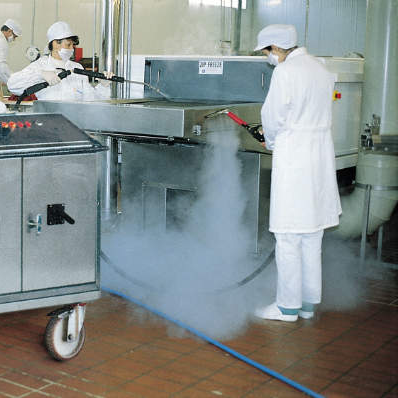
Steam cleaning doesn’t sound glamorous, but it’s one of those quiet heroes of machine care. From production lines to food-processing equipment, steam cleaning has become the go-to method for businesses that would rather protect their machines than replace them. The appeal is simple: high heat, low moisture, and no chemical hangover. If machines could talk, most would politely ask for steam cleaning and a bit of peace.
Check out our range of steam cleaners!
Why do machines suffer so much abuse?
Machines live hard lives. Dust, grease, oils, residues, and the occasional mysterious substance all build up over time. Add heat, movement, and long operating hours, and you’ve got the perfect recipe for breakdowns. Cleaning often gets pushed down the priority list until something stops working. Steam cleaning steps in before that happens, removing buildup without adding extra stress.
What makes steam cleaning different from traditional cleaning?
Traditional cleaning often means chemicals, cloths, brushes, and a fair amount of elbow grease. Steam cleaning swaps all that for high-temperature vapour that lifts dirt on contact. The heat breaks down grease, while the low moisture content limits water exposure. It’s a bit like using a pressure washer that went to finishing school and learned some manners.
How does steam cleaning actually protect machines?
The key lies in what steam cleaning doesn’t do. It doesn’t soak components, flood bearings, or leave chemical residue behind. Instead, it loosens contaminants and removes them quickly. That helps protect seals, wiring, sensors, and moving parts. Over time, steam cleaning reduces friction-related wear and keeps machines running smoothly without surprise tantrums.
Why is moisture control so important?
Water is great until it isn’t. Excess moisture leads to corrosion, rust, and electrical issues that arrive quietly and leave loudly. Steam cleaning uses minimal water, which means surfaces dry quickly and internal components stay safer. For businesses that rely on precision equipment, this controlled approach makes steam cleaning a sensible choice rather than a risky experiment.
Can steam cleaning reduce downtime?
Downtime is expensive, annoying, and never well-timed. Steam cleaning allows machines to be cleaned in place, often without full disassembly. That means shorter cleaning windows and faster restarts. Maintenance teams like it because it saves time. Management likes it because machines spend more time working and less time sulking.
Is steam cleaning suitable for sensitive equipment?
Yes, when done properly. Modern steam cleaning systems allow precise control over pressure and temperature. This makes it possible to clean delicate components, control panels, and hard-to-reach areas. The trick is using professional equipment rather than a kettle and optimism. Done right, steam cleaning is gentle in all the right ways.
How does steam cleaning help with hygiene standards?
In sectors like food production, healthcare, and pharmaceuticals, cleanliness isn’t optional. Steam cleaning reaches temperatures that kill bacteria, mould, and pathogens without relying on chemicals. That makes it easier to meet hygiene standards while reducing chemical exposure for staff and equipment alike. Machines stay clean, and auditors stay calm.
Why do chemicals cause long-term damage?
Chemical cleaners can leave residues that attract dirt or react with surfaces over time. Some degrade seals, dull finishes, or interfere with sensors. Steam cleaning avoids this slow creep of damage by relying on heat rather than chemistry. It’s the difference between scrubbing paint with sandpaper and wiping it with a warm cloth.
Can steam cleaning extend machine lifespan?
Machines last longer when they’re clean. Dirt acts like sand in moving parts, speeding up wear. Steam cleaning removes that grit before it becomes a problem. Over years, this regular care can add noticeable life to equipment. Think of it as flossing for machinery—slightly boring, deeply effective.
What types of machines benefit most?
Production lines, conveyors, packaging machines, CNC equipment, and industrial kitchens all respond well to steam cleaning. Any machine with moving parts, tight tolerances, or hygiene requirements stands to gain. If a machine hates being wet but loves being clean, steam cleaning is usually a good fit.
Check out our range of steam cleaners!
Does steam cleaning support sustainability goals?
Steam cleaning uses less water and fewer chemicals than traditional methods. That reduces wastewater issues and chemical storage needs. Energy use is focused and controlled, making it easier to manage overall consumption. For businesses trying to tidy up their environmental profile without rewriting their entire operation, steam cleaning fits neatly into the picture.
How often should machines be steam cleaned?
That depends on usage, environment, and industry standards. Some machines benefit from weekly steam cleaning, others from monthly sessions. The important part is consistency. Regular steam cleaning prevents buildup rather than fighting it once it’s already settled in and unpacked.
Can steam cleaning replace all other cleaning methods?
Not entirely. There will always be moments for manual cleaning or targeted chemical use. Steam cleaning works best as part of a planned maintenance routine. It handles the bulk of contamination so other methods can focus on specifics rather than damage control.
What should businesses look for in steam cleaning equipment?
Control, reliability, and support matter. Professional systems offer adjustable pressure, consistent heat, and accessories designed for industrial use. Businesses should also look for training and aftercare. Steam cleaning works best when people know how to use it properly, rather than guessing and hoping.
Why do maintenance teams favour steam cleaning?
It’s faster, safer, and less messy. Steam cleaning reduces scrubbing, lifting, and exposure to chemicals. Teams spend less time fighting grime and more time keeping machines running. Morale improves, injuries drop, and nobody goes home smelling like industrial solvent.
How does steam cleaning fit into preventive maintenance?
Preventive maintenance is about stopping problems before they start. Steam cleaning removes contaminants that cause wear, overheating, and sensor errors. By making cleaning part of routine maintenance, businesses avoid reactive repairs that always seem to happen at the worst moment.
What’s the long-term business case for steam cleaning?
Fewer breakdowns, lower repair costs, longer equipment life, and better hygiene compliance all add up. Steam cleaning isn’t flashy, but it’s dependable. Over time, it pays for itself quietly, without demanding applause or new uniforms.
Why do machines “behave better” when steam cleaned?
Clean machines run cooler, move freely, and respond accurately. Sensors read properly, motors strain less, and parts fit the way they’re supposed to. Steam cleaning removes the invisible irritants that cause small issues to snowball into serious faults.
Is steam cleaning worth the switch?
For businesses that rely on machinery, steam cleaning offers control, consistency, and peace of mind. It protects machines without overcomplicating maintenance. No drama, no residue, no soaking. Just clean equipment that does its job and lets everyone get on with theirs.
Add a comment: